Understanding Astaxanthin and Its Antioxidant Power
What is Astaxanthin?
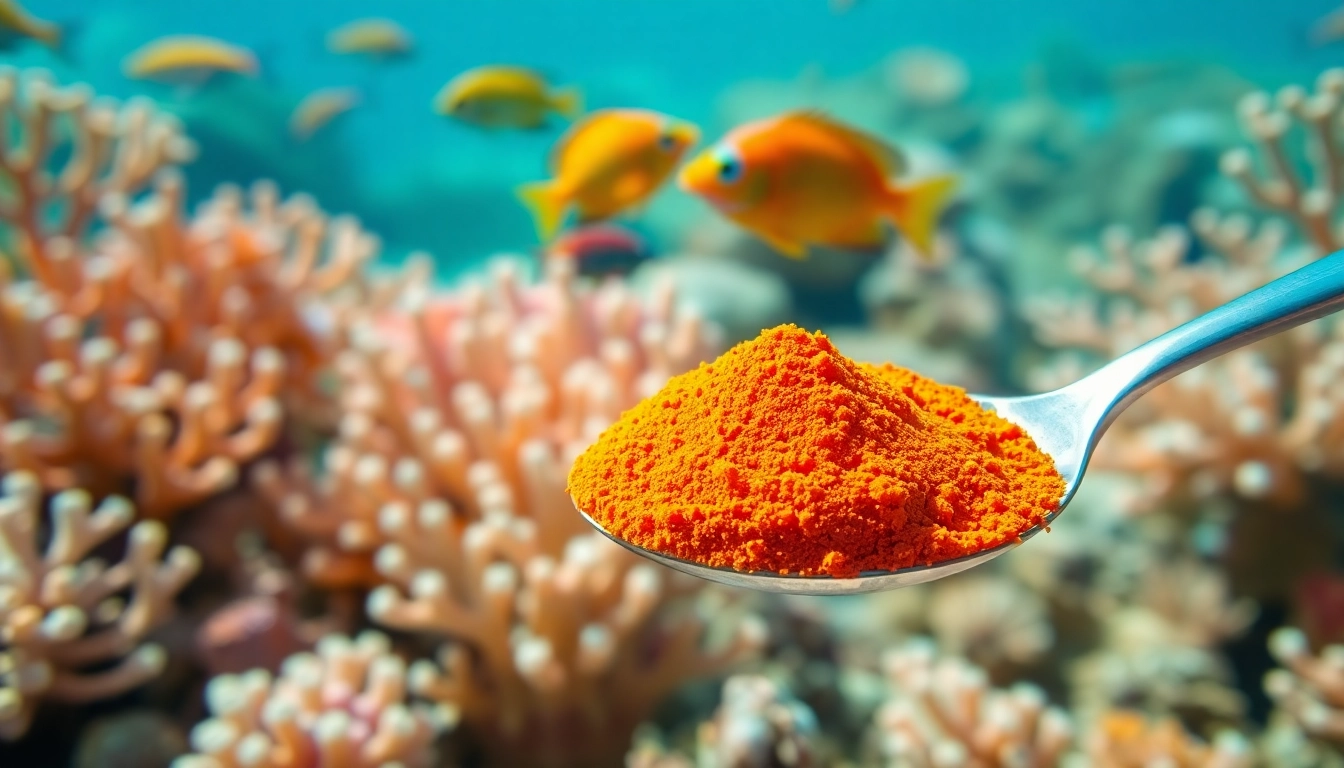
Astaxanthin is a powerful carotenoid, a type of antioxidant widely recognized for its vibrant red pigment found naturally in various organisms. This compound belongs to a family of pigments known as xanthophylls and is renowned for its remarkable health benefits. Extracted primarily from microalgae, astaxanthin is most commonly sourced from Haematococcus pluvialis and is also found in seafood like salmon and shrimp. Its unique chemical structure allows it to effectively neutralize free radicals, making it a vital player in promoting overall health.
How Astaxanthin Works as an Antioxidant
The effectiveness of astaxanthin as an antioxidant stems from its ability to scavenge free radicals and inhibit oxidative stress. Unlike many other antioxidants, astaxanthin can cross the blood-brain barrier and cellular membranes, enabling it to exert its protective effects within cells. Its powerful antioxidant capabilities not only help protect cells from damage but also mitigate inflammation, which is a root cause of several chronic diseases. By promoting cellular health, astaxanthin contributes to the enhancement of overall wellness.
The Sources of Astaxanthin
Primarily, astaxanthin is sourced from microalgae, particularly Haematococcus pluvialis. This microalga accumulates astaxanthin in response to environmental stressors, such as intense sunlight or nutrient deprivation. Additionally, astaxanthin can be found in various seafood, including salmon, trout, krill, and shrimp. These marine sources are not only rich in astaxanthin, but they also provide additional health benefits through their omega-3 fatty acids and other nutrients. For individuals looking to increase their intake of this potent antioxidant, incorporating astaxanthin-rich foods into their diet or considering supplements can be beneficial. For a more in-depth understanding of the astaxanthin antioxidant power, exploring both natural and supplemental sources is essential.
Health Benefits of Astaxanthin Antioxidant Power
Enhancing Skin Health
The skin, often exposed to environmental stressors such as UV radiation and pollution, can greatly benefit from astaxanthin's protective properties. Studies have shown that astaxanthin not only improves skin elasticity and moisture levels but also helps reduce the appearance of fine lines and wrinkles. Its anti-inflammatory effects may further assist in minimizing redness and irritation, leading to more radiant skin. Incorporating astaxanthin through diet or topical applications can provide essential nutrients that promote skin vitality and resilience.
Supporting Eye Health
Astaxanthin holds significant promise for eye health due to its ability to penetrate various tissues in the eye, including the retina. Research indicates that it may play a vital role in preventing eye strain, reducing fatigue, and protecting against age-related macular degeneration. The antioxidant properties of astaxanthin help to combat oxidative stress in the eyes, potentially preserving vision and enhancing overall ocular health. For those who spend long hours in front of screens or experience vision concerns, astaxanthin may be an invaluable addition to their health regimen.
Boosting Immunity and Energy
Astaxanthin is not only a remarkable antioxidant but also has unique properties that enhance the immune system. By modulating immune responses, it helps strengthen the body's natural defenses against pathogens. Additionally, astaxanthin has been linked with increased energy levels and enhanced endurance, making it a popular supplement among athletes. By promoting better oxygen delivery within the body and improving physical performance, astaxanthin contributes to overall vitality and health.
Astaxanthin’s Role in Sports Nutrition
Improving Endurance and Recovery
For athletes and fitness enthusiasts, astaxanthin offers notable benefits in both endurance and recovery phases. By increasing oxygen delivery to muscles and reducing lactate buildup, it can enhance performance during intense workouts. Furthermore, astaxanthin aids in quicker recovery post-exercise by alleviating muscle soreness and fatigue. This makes it an ideal supplement for individuals seeking to optimize their training and maintain peak performance levels.
Reducing Oxidative Stress in Athletes
Intense physical activity generates significant oxidative stress, which can hinder recovery and impact performance. Astaxanthin plays a crucial role in combating this oxidative stress by neutralizing free radicals that accumulate during exercise. Consuming astaxanthin-rich foods or supplements can help athletes mitigate the damaging effects of oxidative stress, allowing for improved recovery times and better overall performance. This oxidative defense mechanism is essential in maintaining long-term athletic health.
Case Studies of Sports Performance
Research studies have demonstrated the potential of astaxanthin in enhancing sports performance. For example, one study noted a marked improvement in the physical endurance of participants after supplementing with astaxanthin over a set period. Participants showed reduced muscle damage and quicker recovery times after intense exercise routines, indicating that astaxanthin's antioxidant properties are beneficial for athletic performance. These findings continue to support the inclusion of astaxanthin in sports nutrition strategies.
How to Incorporate Astaxanthin in Your Diet
Top Astaxanthin-Rich Foods
To reap the benefits of astaxanthin, incorporating the right foods into your diet is essential. Top sources include fatty fish such as salmon, trout, and red snapper, along with crustaceans like shrimp and crab. Additionally, microalgae supplements, particularly those derived from Haematococcus pluvialis, offer concentrated doses of astaxanthin. For a vegetarian option, spirulina, while lower in astaxanthin, can still provide some antioxidant benefits. Regularly including these foods can boost overall antioxidant intake.
Supplements and Dosage Recommendations
For those who may not consume enough astaxanthin-rich foods, supplements are a convenient alternative. Typical dosages range from 4 to 12 mg per day; however, it is crucial to follow the recommendations on supplement labels or consult with a healthcare professional. Because astaxanthin is fat-soluble, consuming it with a meal containing healthy fats may enhance absorption. Knowing the right dosage and form can help maximize its health benefits.
Recipes Featuring Astaxanthin
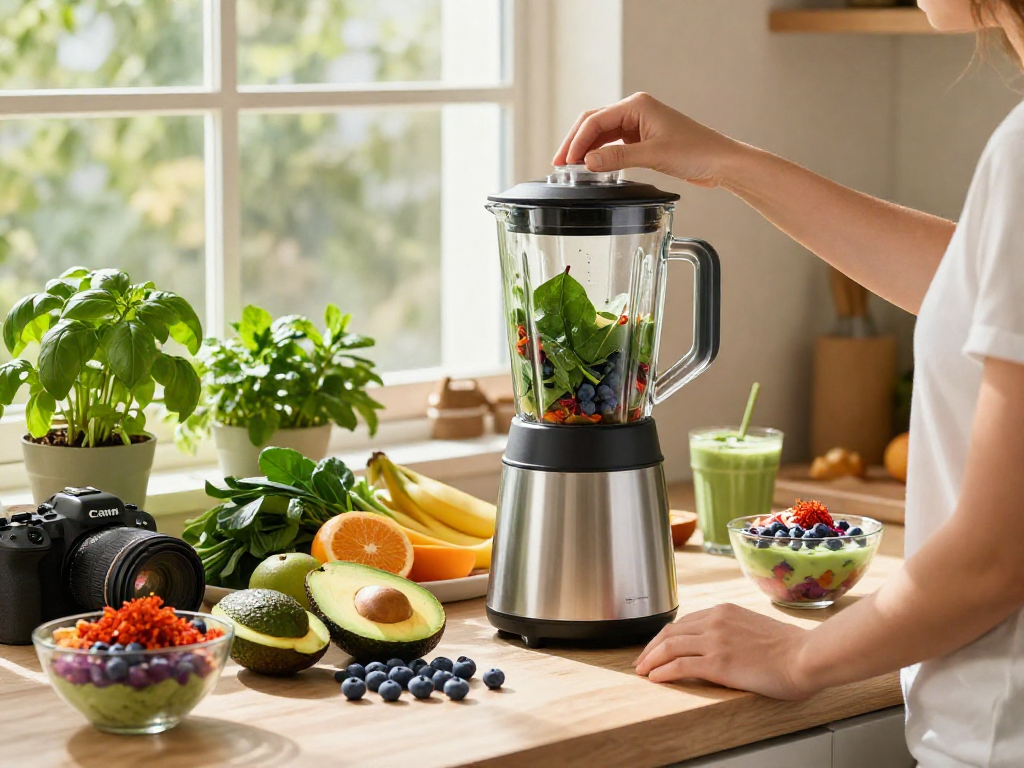
Incorporating astaxanthin into meals can be both delicious and nutritious. Consider grilling salmon and pairing it with a vibrant salad featuring greens, cherry tomatoes, and a sprinkle of sesame seeds. Another easy meal is a seafood stir-fry with shrimp and bell peppers, seasoned with ginger and garlic. For plant-based options, blend spirulina into smoothies, or add a sprinkle of astaxanthin-rich algae into homemade energy bars. These recipes offer flavorful ways to enjoy the health benefits of astaxanthin.
Future Perspectives on Astaxanthin Research
Emerging Studies and Findings
Research on astaxanthin is continually evolving, with new studies highlighting its potential applications across various health domains. Ongoing clinical trials are exploring its impact on conditions ranging from cardiovascular health to cognitive function. As scientists uncover more about astaxanthin's multifaceted capabilities, therapeutic applications may expand, paving the way for innovative treatments and wellness strategies.
Potential Applications in Medicine
Astaxanthin's unique properties may offer significant advantages in medical applications, particularly in addressing oxidative stress-related diseases. Its ability to reduce inflammation and oxidative damage could be leveraged in therapies for chronic conditions, including arthritis and neurodegenerative diseases. Additionally, astaxanthin's neuroprotective effects are garnering interest in studies related to Alzheimer’s and other cognitive impairments, emphasizing its potential as a complementary treatment option.
Challenges for Astaxanthin Adoption
Despite its promising benefits, several challenges hinder the widespread adoption of astaxanthin in mainstream health practices. Awareness and understanding of its effects vary among populations, which can impact dietary choices. Moreover, quality control in supplements is crucial, as not all products may provide the same benefits. Ensuring consumers have access to high-quality, bioavailable forms of astaxanthin will be essential for successful integration into health regimens.
FAQs About Astaxanthin Antioxidant Power
What are the side effects of astaxanthin?
Astaxanthin is generally safe, but some may experience digestive issues or allergic reactions. Consult a doctor if unsure.
Can astaxanthin help with aging?
Yes, its antioxidant properties can combat oxidative stress, potentially aiding in anti-aging effects on skin and cells.
How much astaxanthin should I take daily?
Typical dosages range from 4 to 12 mg per day. Always stick to recommended amounts on supplement labels.
Is astaxanthin safe for children?
While considered safe, consult a pediatrician before giving astaxanthin supplements to children.
Where can I find astaxanthin in food?
Astaxanthin is found in salmon, trout, shrimp, and algae, making these excellent dietary sources.