Understanding Astaxanthin and Its Antioxidant Power
Astaxanthin, a powerful carotenoid pigment, is well-known for its remarkable astaxanthin antioxidant power. Naturally occurring in microalgae, seafood, and various organisms, it not only imparts a rich red color but also serves integral roles in health due to its high level of antioxidant activity. This article will dive into the nature of astaxanthin, its mechanisms, health benefits, dietary incorporation, research studies, and a comprehensive FAQ section to answer your burning questions.
What is Astaxanthin?
Astaxanthin is a xanthophyll carotenoid and is a notable member of the carotenoid family, which includes beta-carotene and lutein. This compound is renowned for its antioxidant capability, which is over 6000 times stronger than vitamin C and about 800 times more potent than coenzyme Q10. Found primarily in the algae Haematococcus pluvialis, astaxanthin accumulates in organisms such as salmon, shrimp, and various birds, contributing to their vibrant colors. The bioavailability of astaxanthin is another fascinating aspect, as it can be effectively absorbed through dietary fat intake.
The Mechanism Behind Antioxidant Power
Astaxanthin's antioxidant power primarily stems from its unique molecular structure, which allows it to neutralize free radicals and reduce oxidative stress in the body. Unlike other antioxidants that can deactivate ROS (reactive oxygen species) in one location within the cell, astaxanthin can traverse cellular membranes, targeting both the cell surface and within the cell. This dual action aids in protecting cellular integrity and function. Furthermore, astaxanthin plays a critical role in the immune response, enhancing the body's ability to fend off diseases.
Sources of Astaxanthin
There are various sources of astaxanthin, each providing different concentrations of this potent antioxidant. The primary natural sources include:
- Microalgae, particularly Haematococcus pluvialis, which is the richest source.
- Fish such as salmon, trout, and red perch, which acquire astaxanthin through their diet.
- Shrimp and crustaceans like lobster and crab.
- Various birds, notably flamingos and salmon, which showcase the pigment in their feathers.
Health Benefits of Astaxanthin
Astaxanthin is not just a pigment; it offers an array of health benefits that have garnered scientific attention. Let's delve into some of the key health advantages associated with this powerful antioxidant.
Support for Eye Health
Astaxanthin is recognized for its ability to penetrate the blood-retinal barrier, offering protective effects against oxidative damage to the eyes. Studies suggest that it can reduce symptoms of eye strain, enhance visual acuity, and help mitigate age-related macular degeneration (AMD). By filtering harmful blue light, astaxanthin can improve overall eye health.
Boosting Immune Function
This potent antioxidant supports the immune system by enhancing the body's defense mechanisms. Astaxanthin is known to modulate immune responses and reduce inflammation. Regular intake can lead to improved activity of immune cells, such as T cells and macrophages, consequently bolstering the body's ability to combat infections and illnesses.
Skin Health and Protection
Astaxanthin's ability to reduce oxidative stress extends to skin health, offering protection against UV damage. It has been associated with improving skin elasticity, hydration, and overall appearance. By neutralizing free radicals generated by UV exposure, astaxanthin can help prevent premature aging and skin conditions, benefiting those who wish to maintain youthful skin.
How to Incorporate Astaxanthin into Your Diet
Incorporating astaxanthin into your diet is achievable through various food sources and supplementation. A well-rounded approach can ensure you reap its health benefits.
Food Sources Rich in Astaxanthin
To maximize astaxanthin intake, include the following foods in your diet:
- Salmon, specifically wild-caught, is one of the best sources.
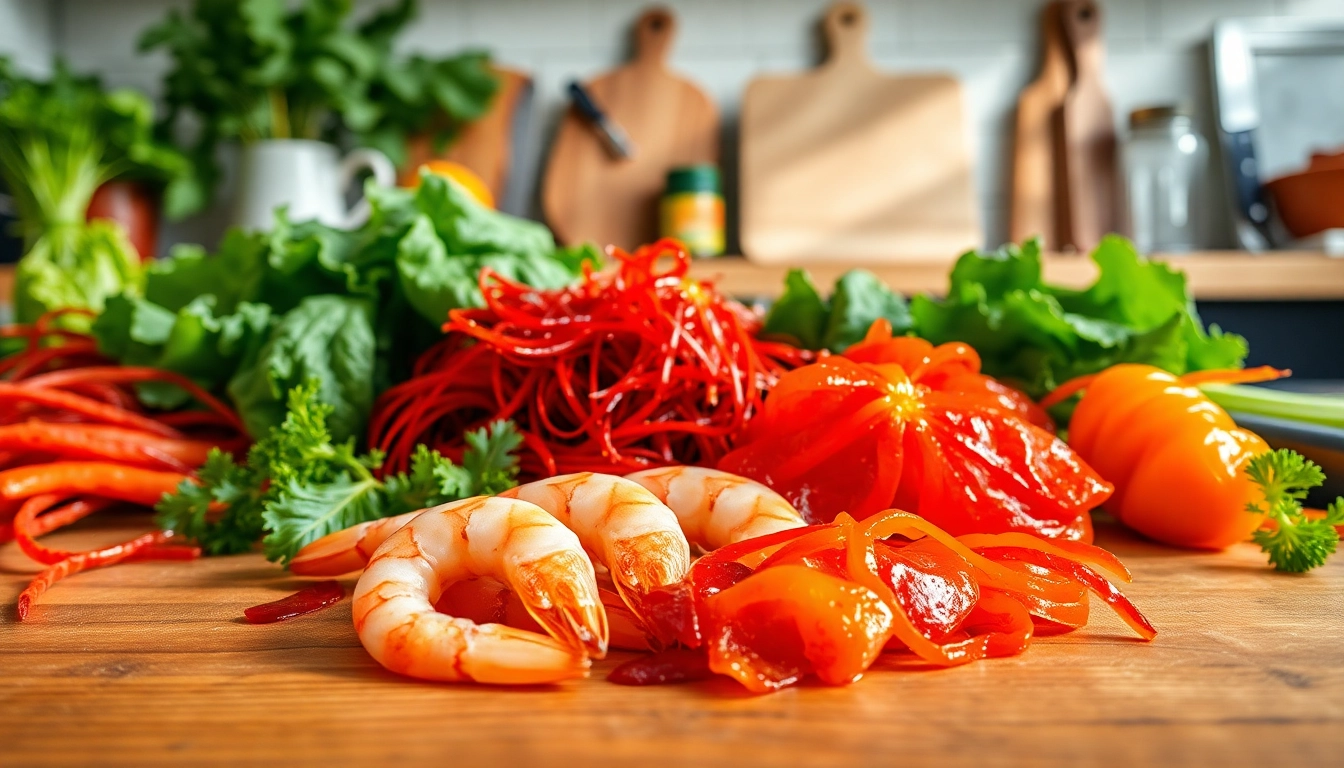
- Shrimp and prawns provide a healthy dose of astaxanthin.
- Red trout and other red-fleshed fish.
- Edible algae, such as Haematococcus pluvialis, found in health food stores.
Supplements: Are They Effective?
Astaxanthin supplements have gained popularity as an alternative to obtaining it through diet alone. Available in various forms, including soft gels and liquid, research supports that regular supplementation can yield health benefits similar to those seen with food sources. They can be particularly useful for individuals with dietary restrictions or limited access to natural sources.
Recipes for Astaxanthin-rich Meals
Here are some delicious recipes featuring astaxanthin-rich ingredients:
- Salmon with Avocado Salsa: Pair grilled salmon with a fresh salsa made from avocados, tomatoes, lime, and cilantro.
- Shrimp Stir-fry: Use shrimp sautéed with colorful vegetables and a hint of sesame oil.
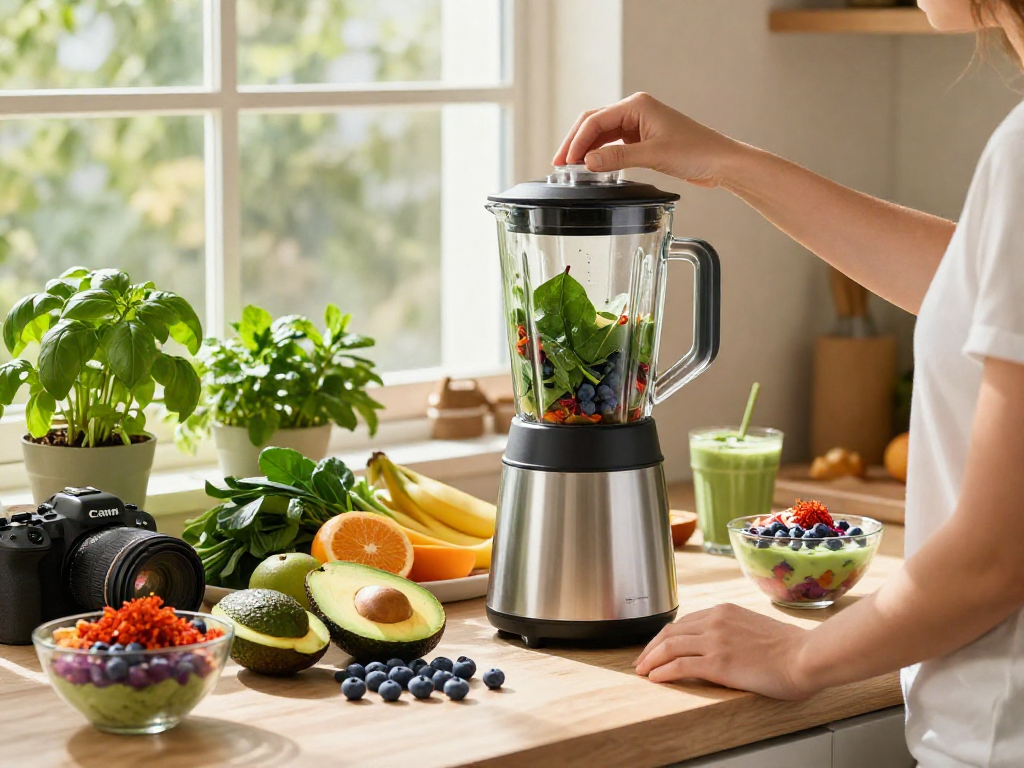
- Algal smoothies: Add a teaspoon of spirulina or another algal supplement to your morning smoothie.
Research and Studies on Astaxanthin Antioxidant Power
The growing body of research surrounding astaxanthin highlights its importance and versatility as an antioxidant. Scientists continue to explore its vast potential across different health domains.
Clinical Trials Overview
Numerous clinical trials have been conducted to better understand the effects of astaxanthin on human health. Many studies indicate its positive impacts on inflammation, athletic performance, and skin health. Ongoing trials focus on its potential benefits for metabolic health, cardiovascular diseases, and chronic inflammatory conditions.
Comparative Studies with Other Antioxidants
Research has compared astaxanthin to other well-known antioxidants, such as vitamin C and E. Findings typically reveal astaxanthin’s superior capability in combating oxidative stress, leading scientists to consider it as a leading candidate for further development into therapeutic applications. These comparative advantages highlight the need for further research into astaxanthin’s unique properties.
Future Research Directions
As interest in astaxanthin continues to grow, future research is likely to explore its synergistic effects with other compounds, optimal dosing, and its efficacy against specific health conditions. Innovations in extraction and preparation methods may also pave the way for enhanced bioavailability in dietary supplements.
FAQs about Astaxanthin Antioxidant Power
What foods are high in astaxanthin?
Foods rich in astaxanthin include wild salmon, shrimp, red trout, and certain algae like Haematococcus pluvialis.
Can I take astaxanthin supplements?
Yes, astaxanthin supplements are effective and typically well-tolerated. They can be a convenient source of this antioxidant.
Is astaxanthin safe for everyone?
Generally, astaxanthin is safe for most people; however, those with specific allergies or health conditions should consult a doctor before use.
How does astaxanthin compare to vitamin C?
Astaxanthin is significantly more potent than vitamin C, exhibiting antioxidant capabilities that are hundreds of times stronger.
What are the side effects of astaxanthin?
Astaxanthin is generally considered safe, but some individuals may experience mild side effects such as digestive upset or a change in skin pigmentation.