Understanding Beyin Ameliyatı: A Comprehensive Overview
Beyin ameliyatı, a significant medical intervention, addresses various critical neurological conditions such as brain tumors, brain hemorrhages, and other serious disorders. This surgical procedure not only requires exceptional skill but also advanced technology to ensure successful outcomes. With the rapid advancement of medical technology and surgical techniques, understanding the nuances of brain surgery is essential for patients and their families. This article aims to provide valuable insights into Beyin ameliyatı, exploring its significance, the conditions treated, and what patients can expect during and after the procedure.
What is Beyin Ameliyatı?
Beyin ameliyatı, commonly referred to as neurosurgery, encompasses various surgical procedures aimed at treating disorders within the brain. This can include the removal of brain tumors, repairing damaged blood vessels, and addressing traumatic injuries. Neurosurgeons utilize advanced imaging techniques to precisely locate issues and decide on the best surgical approach. These surgeries can be categorized into open surgeries and minimally invasive techniques, such as endoscopic procedures, which have gained popularity due to their reduced recovery times and minimized risks.
The Importance of Advanced Techniques in Surgery
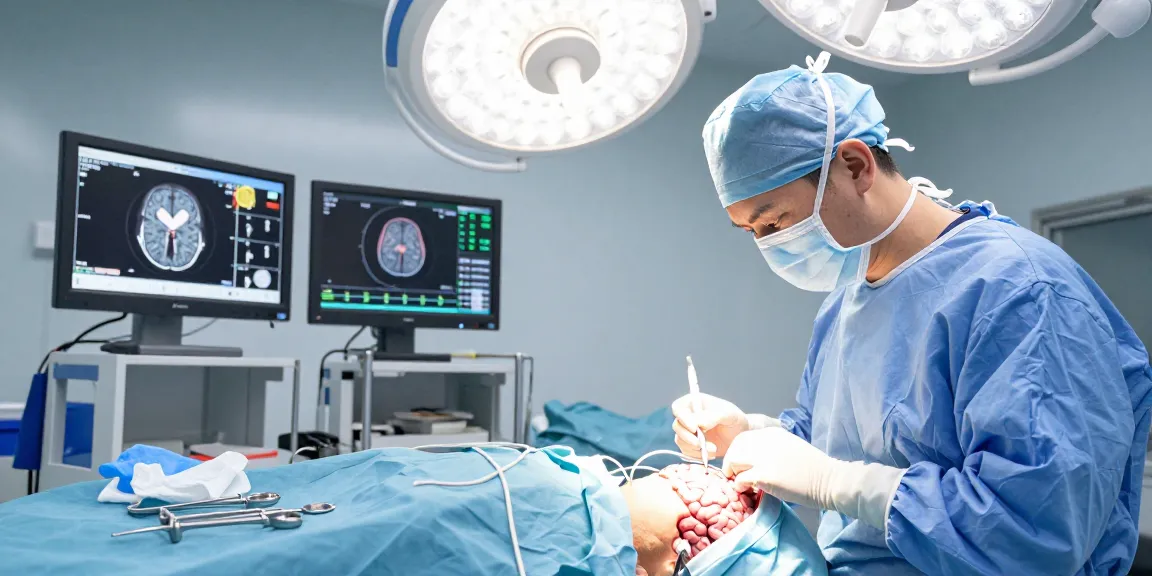
The advent of sophisticated surgical techniques and technology has revolutionized beyin ameliyatı. Techniques such as microsurgery, neuronavigation, and intraoperative imaging allow surgeons to operate with greater precision and less damage to surrounding tissues. For instance, intraoperative MRI can help neurosurgeons confirm the completeness of a tumor removal during surgery, enhancing patient outcomes. Furthermore, the use of robotics and minimally invasive equipment has improved recovery experiences, leading to shorter hospital stays and quicker returns to normal activities.
Common Conditions Treated with Beyin Ameliyatı
- Brain Tumors: These may be malignant (cancerous) or benign (non-cancerous) and require careful surgical intervention to remove without damaging critical brain areas.
- Brain Hemorrhages: Conditions such as epidural hematomas and subarachnoid hemorrhages necessitate urgent surgical procedures to prevent brain damage.
- Aneurysms: Cerebral aneurysms can be treated using open surgery or endovascular techniques to prevent rupture.
- Traumatic Brain Injuries: Serious injuries may require decompressive craniectomy or other interventions to relieve pressure on the brain.
Preparing for Beyin Ameliyatı: What to Expect
Preoperative Assessments and Evaluations
Preparation for beyin ameliyatı involves thorough preoperative evaluations to ensure the patient's safety and optimize surgical outcomes. This includes comprehensive neurological evaluations, imaging studies such as MRI or CT scans, and blood tests. These assessments help the surgical team understand the specific condition and tailor the intervention accordingly. Patients may also be evaluated for potential risks associated with anesthesia and underlying health issues that could complicate the surgery.
Patient Education and Informed Consent
Understanding the procedure is crucial for patient comfort and compliance. Surgeons dedicate time to discuss the operation, expected outcomes, potential risks, and recovery processes with patients. Providing clear, concise information helps patients feel more informed and empowered, allowing for questions and personalization of care. Informed consent is obtained, ensuring patients are aware of what the operation entails and any associated risks.
Setting Realistic Expectations for Surgery
Setting realistic expectations is vital to reduce anxiety and foster trust in the surgical team. Patients should understand that while many beyin ameliyatı procedures are successful, complications can occur. Factors such as the type of surgery, the underlying condition, and the patient's overall health can influence recovery times and outcomes. Discussing these elements openly can help patients mentally prepare for their surgical journey.
The Surgical Process of Beyin Ameliyatı
Step-by-Step Breakdown of the Procedure
The surgical process for beyin ameliyatı typically follows a structured protocol. After the patient is anesthetized, the surgeon makes an incision in the scalp and creates an opening in the skull if necessary. Techniques such as craniotomy or minimally invasive approaches are employed based on the condition being treated. Surgeons may use advanced imaging modalities during surgery to guide their actions and ensure maximal precision.
Types of Surgical Techniques Used
Neurosurgical techniques vary widely based on the condition and the desired outcomes. Some of the most common techniques include:
- Craniotomy: Involves creating an opening in the skull to access the brain directly.
- Endoscopic Surgery: Minimally invasive, using a small camera and instruments inserted through small openings.
- Awake Craniotomy: Patients remain awake under sedation, allowing surgeons to monitor vital brain functions.
- Laser Surgery: Uses focused beams of light to remove tissue with great accuracy.
Role of Technology and Equipment in Surgery
Advanced technology plays a pivotal role in the success of beyin ameliyatı. Instruments such as intraoperative imaging systems enable real-time visualization, facilitating the accurate removal of lesions. Additionally, developments in robotic-assisted surgery have allowed for greater dexterity and precision in complex cases, minimizing trauma and enhancing recovery prospects.
Recovery After Beyin Ameliyatı: Key Considerations
Initial Postoperative Care and Monitoring
Post-surgery, patients are typically monitored in a specialized recovery unit where healthcare teams can assess neurological status, vital signs, and signs of complications. Initial recovery may involve managing pain and preventing infection, with medications and diligent assessments critical during this period. Depending on the surgery's complexity, hospitalization duration may vary, often ranging from a few days to a week.
Long-term Recovery and Rehabilitation
Long-term recovery after beyin ameliyatı involves a structured rehabilitation process that integrates physical, occupational, and cognitive therapies. Patients may experience lingering effects such as fatigue, memory issues, or mobility challenges, making a tailored rehabilitation program essential. This individualized care approach helps patients regain their independence and improve their quality of life.
Managing Complications and Follow-Up Care
Postoperative follow-up care is crucial for monitoring potential complications such as infection, seizures, or neurological deficits. Regular appointments with the neurosurgeon allow for the tracking of recovery progress and timely interventions when needed. Educating patients about recognizing signs of complications empowers them to seek help proactively, leading to better outcomes.
Current Trends and Future of Beyin Ameliyatı
Innovative Techniques Shaping Neurosurgery in 2026
As we look toward the future, beyin ameliyatı continues to evolve with innovations such as augmented reality and artificial intelligence. These advancements are enhancing surgical precision, reducing downtime, and improving patient outcomes. Techniques that allow for even less invasive approaches are becoming increasingly popular, promoting faster recoveries and returning patients to normal activities sooner.
Impact of AI and Robotics on Surgical Outcomes
The integration of artificial intelligence and robotics into neurosurgery is reshaping traditional procedures. AI is utilized for better diagnostic accuracy and personalized surgical planning, while robotic tools assist surgeons by providing enhanced precision during delicate operations. These developments are expected to improve surgical success rates and minimize complications in the years to come.
Patient-Centric Care Approaches in Neuro Surgery
Modern neurosurgery increasingly prioritizes a patient-centric approach, emphasizing patient education, shared decision-making, and improved communication between patients and healthcare providers. This shift aims to enhance patient satisfaction and optimize outcomes, making the surgical experience more comfortable and reassuring for patients and their families.
How long is the recovery period for beyin ameliyatı?
The recovery period for beyin ameliyatı can vary widely depending on several factors including the nature of the surgery, the patient's overall health, and the specific condition being treated. Generally, initial recovery may take a few weeks, while complete rehabilitation can last from several months to over a year.
What are the risks associated with Beyin Ameliyatı?
Although beyin ameliyatı is often successful, it carries risks such as infection, bleeding, and potential neurological damage. Understanding these risks allows patients to engage in informed discussions with their surgical team about the best actions moving forward.
What should patients do to prepare for surgery?
Patients should follow their healthcare provider's preoperative instructions closely, which may include dietary restrictions, medication adjustments, and planning for postoperative support at home. Preparing mentally and physically is equally important for enhancing recovery prospects and overall surgical outcomes.
How do surgeons decide on surgical techniques?
Surgeons consider various factors when determining surgical techniques, including the type and location of the condition, the patient's overall health, and the potential risks and benefits of each method. For more information, Beyin ameliyatı offers valuable insights. Collaborative discussions among medical teams often lead to tailored strategies that prioritize patient safety and health outcomes.